Use My Maps to make a map that shows different folk Tales from around the world.
Be sure to tell the:
Name of the country
Title of the Folk Tale
Author of the Folk Tale
Main Characters
Problem
Themes
Here is Ms. Rainey's sample. It is not finished yet.
Tuesday, December 13, 2016

Monday, November 28, 2016
Folktales
A folktale is a story that is passed down from one generation to the next. What are some folktales that you know? Do you know the story of La llorona?
Do you know the story of The Three Little Pigs?
Notebook: Why are folktales important?
A folktale is a type of text called story or narrative. The chart below shows the parts of a narrative, or story.

Do you know the story of The Three Little Pigs?
Notebook: Why are folktales important?
A folktale is a type of text called story or narrative. The chart below shows the parts of a narrative, or story.

This month, we will read several folktales. We will study their parts, or elements. Our first folktale will be "The Best Match" by Jorge Argueta.
Thursday, November 3, 2016
Silent -e
For dictation today, we will practice writing words that end with a silent -e. Read the words below. Notice that they all end with an -e.


Tuesday, November 1, 2016
Crops
What kind of crops are these farmers growing? What are other important words related to agriculture and farming? Make a list in your notebook.
1. Read the book Crops together. Answer the questions in your Google classroom.
Monday, October 31, 2016
Get ready for Halloween!
As you view the Halloween video, make a list of Halloween words in your notebook.
1. Learn the Halloween Words.

1. Learn the Halloween Words.

2. Practice reading and acting out TPR: Get ready for Halloween in your Google classroom folder.
Friday, October 28, 2016
Get Ready for a Rainy Day
Ask your partner:
How's the weather today?
Answer:
Today, the weather is...

1. Watch the short video as an introduction to weather words.
2. Now practice the TPR in your Google classroom folder.
Thursday, October 20, 2016
The Food Waste Problem
En la proxima semana, estaremos estudiando y hablando sobre el desperdicio de alimentacion. Mucha gente sufre de hambre en el mundo. Por que estamos desperdiciando de tanta comida?
Food waste is a big problem. Look at the infographic below. What is the infographic telling us about food waste?
There are a lot of people in the world who do not have enough food.

Sadly, a lot of food gets thrown away. The United States wastes more food than all the other countries. Why does the United States throw away so much edible food?

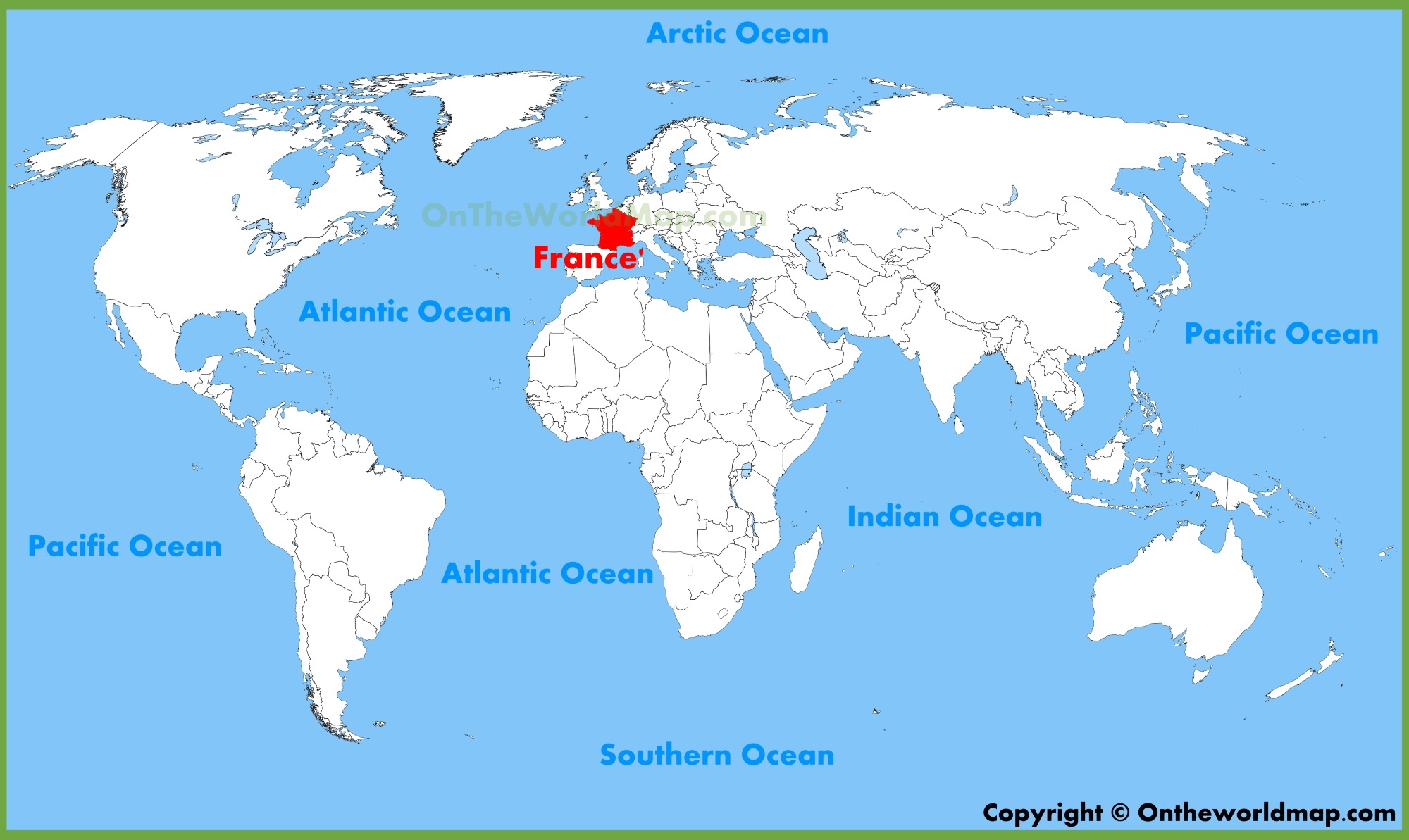
1. The video shows how the country France saves the food that other countries throw away.

2. Complete the vocabulary document in your Google classroom.
3. Go to Edpuzzle.
Sign up with the class code:bolcewg
Watch the video again. Answer the questions.
Make an Infographic
Create an Infographic about Food Waste. Research other infographics to find important data and other facts about food waste. Use the data and facts to make your own infographic.
1. Search for other infographics about food waste:
 2. Write down 8 important facts about food waste in your notebook.
3. Circle words that you do not understand. Use Google translate to find the meaning.
4. Go to theeasel . ly
5. Copy and paste the link to your infographic here.
Follow these steps.


Food waste is a big problem. Look at the infographic below. What is the infographic telling us about food waste?
 |
| An infographic uses words and pictures to explain or give information. |
There are a lot of people in the world who do not have enough food.

Sadly, a lot of food gets thrown away. The United States wastes more food than all the other countries. Why does the United States throw away so much edible food?

1. The video shows how the country France saves the food that other countries throw away.
2. Complete the vocabulary document in your Google classroom.
3. Go to Edpuzzle.
Sign up with the class code:
Watch the video again. Answer the questions.
Make an Infographic
Create an Infographic about Food Waste. Research other infographics to find important data and other facts about food waste. Use the data and facts to make your own infographic.
1. Search for other infographics about food waste:
3. Circle words that you do not understand. Use Google translate to find the meaning.
4. Go to the
5. Copy and paste the link to your infographic here.
Follow these steps.

b. Get the link:
c. Copy the link:

Subscribe to:
Posts (Atom)